



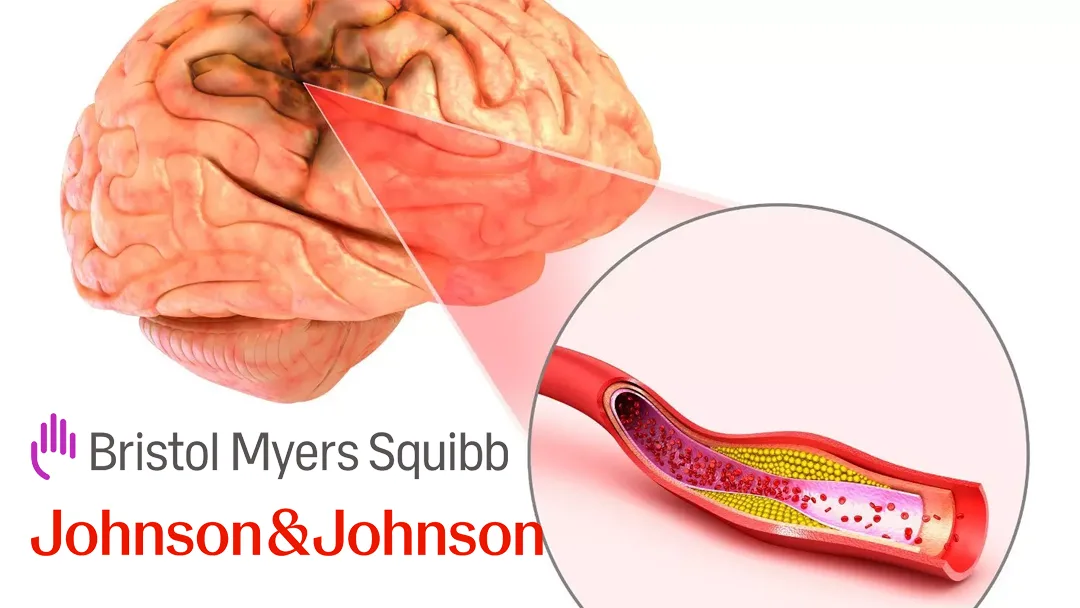
Bristol‑Myers Squibb (BMS, NYSE: BMY) and Johnson & Johnson (J&J, NYSE: JNJ) announced the premature termination of their joint Phase III study of the Factor XIIa inhibitor milvexian in patients who have recently suffered an acute coronary syndrome (ACS) event.
Trial Overview
| Attribute | Detail |
|---|---|
| Design | Randomized, double‑blind, parallel‑group |
| Population | ~16,000 subjects with recent ACS |
| Intervention | Milvexian (investigational) vs. standard antiplatelet therapy |
| Primary endpoint | Time to first major adverse cardiovascular event (MACE) |
| Planned completion | End of 2026 |
| Status | Stopped early for futility after interim analysis |
Interim Findings
- Data Monitoring Committee (DMC) performed a pre‑planned interim review and concluded that the probability of achieving the primary efficacy endpoint was insufficient.
- Safety: No new safety signals emerged; the adverse‑event profile of milvexian remained comparable to control.
- Decision: BMS and J&J mutually agreed to discontinue enrollment and follow‑up for this indication.
Ongoing Milvexian Programs
| Indication | Phase | Status |
|---|---|---|
| Atrial fibrillation (AFib) | Phase III | Continuing |
| Secondary stroke prevention (SSP) | Phase III | Continuing |
| ACS (current trial) | Phase III | Terminated for futility |
The partners will redirect resources to these programs, where early data have shown a more favorable risk‑benefit balance.
Market Impact
- Revenue outlook – The halted ACS program represented an estimated $1.2 billion peak‑year revenue opportunity for both companies.
- Strategic implications – The termination underscores the high bar for novel anticoagulants in the crowded ACS space, where existing antiplatelet agents already demonstrate strong efficacy.
- Share reaction – BMS shares were down 1.3 % in pre‑market trading; J&J shares slipped 0.9 %.
Forward‑Looking Statements
This brief contains forward‑looking statements regarding the termination of the milvexian ACS trial, ongoing studies, and potential market effects. Actual results may differ due to clinical outcomes, regulatory actions, competitive dynamics, and other risk factors.-Fineline Info & Tech