


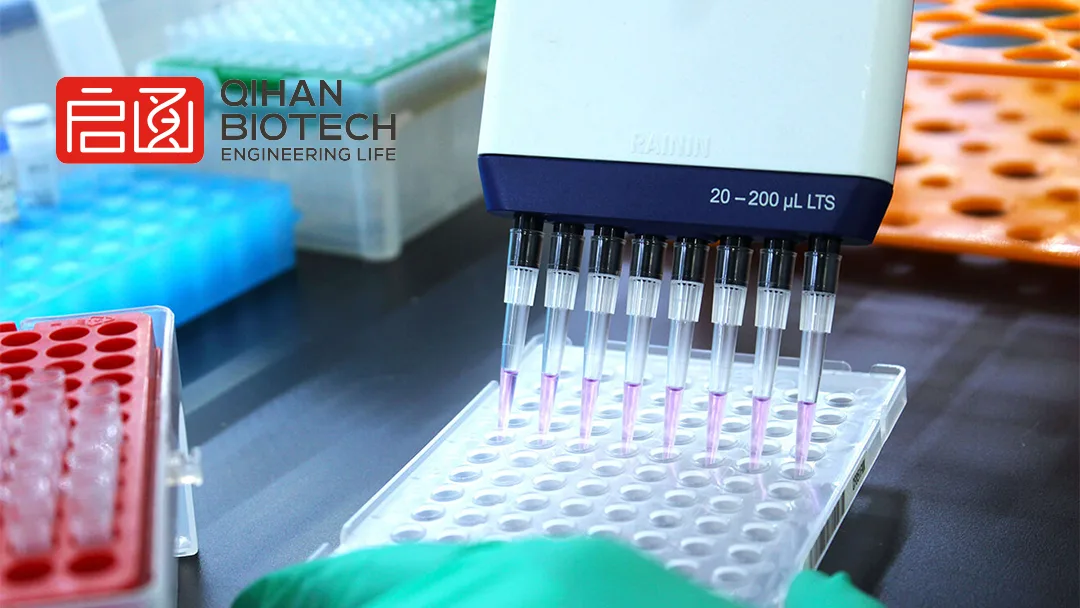
Hangzhou Qihan Biotech Co., Ltd. announced that its New Drug Clinical Trial (IND) application for QT-019B, its first self‑developed universal dual‑target (CD19/BCMA) CAR‑T cell product with global rights, has been granted implied approval by China’s National Medical Products Administration (NMPA).
Regulatory Milestone
| Item | Detail |
|---|---|
| Product | QT‑019B Cell Injection (universal CAR‑T) |
| Company | Hangzhou Qihan Biotech Engineering Life |
| Agency | NMPA (China) |
| Approval Type | IND implied approval |
| Indication | Hematologic malignancies (CD19/BCMA‑positive) |
| Technology | Allogeneic dual‑target CAR‑T (CD19 + BCMA) |
| Global Rights | Retained by Qihan Biotech |
| Next Step | Initiate Phase I/II trial Q1 2026 |
Technology Profile
- Product Type: “Off‑the‑shelf” allogeneic CAR‑T , manufactured from healthy donor leukapheresis
- Dual Targeting: Engineered to stably express two CARs targeting CD19 and BCMA simultaneously, enabling clearance of dual‑positive tumor cells
- GvHD Mitigation: T‑cell receptor (TCR) knockout eliminates graft‑versus‑host disease risk
- Immune Evasion: Multi‑gene editing achieves low immunogenicity to reduce host NK/T‑cell mediated rejection
- Strategic Position: First universal dual‑target CAR‑T with implied NMPA approval in China
Market Context & Outlook
| Metric | Value |
|---|---|
| China CAR‑T Market (2024) | ¥4.5 billion (US$620 million) |
| Allogeneic CAR‑T Share | <5% (dominated by autologous) |
| CD19/BCMA Dual‑Positive Patients | ~15‑20% of relapsed/refractory multiple myeloma and lymphoma |
| Peak Sales Forecast (QT‑019B) | ¥2.5‑4.0 billion (US$340‑540 million) by 2032 |
| Competitive Advantage | Off‑the‑shelf availability vs. 2‑4 week autologous manufacturing |
- Manufacturing: Allogeneic platform enables scale‑up to 1,000+ doses/batch, reducing cost to 30‑40% of autologous CAR‑T
- Clinical Strategy: Initial focus on relapsed/refractory multiple myeloma; potential expansion to B‑cell lymphomas
- Global Path: NMPA IND approval strengthens position for U.S. IND filing via FDA’s allogeneic CAR‑T guidance
Forward‑Looking Statements
This brief contains forward‑looking statements regarding QT‑019B’s clinical development, manufacturing scale‑up, and commercial potential. Actual results may differ materially due to risks including clinical trial outcomes, immune rejection challenges, and competitive dynamics in the cell therapy market.-Fineline Info & Tech