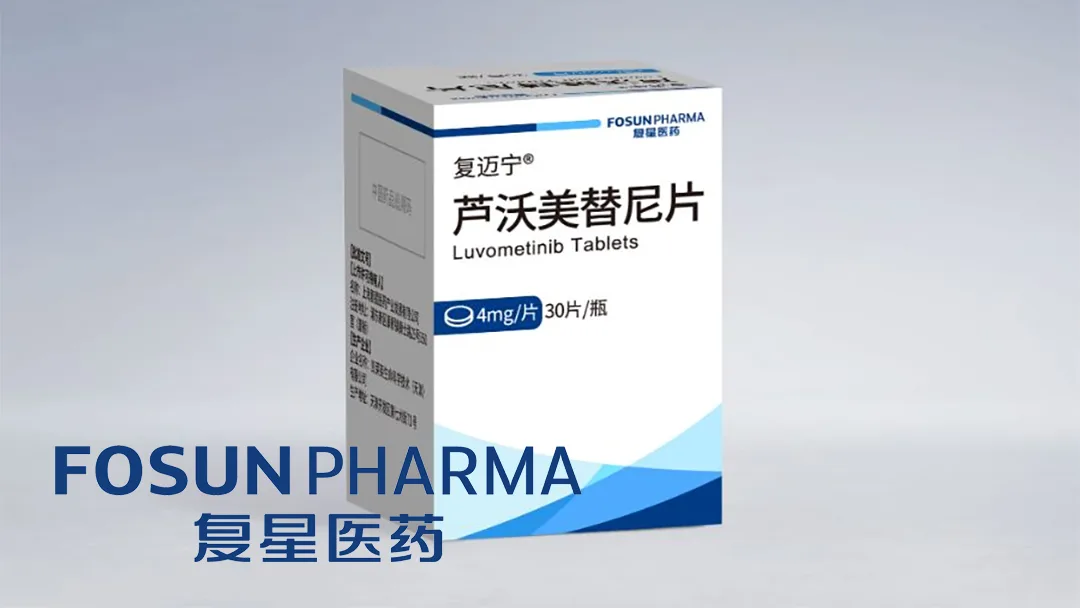
Shanghai Fosun Pharmaceutical (Group) Co., Ltd (HKG: 2196, SHA: 600196) announced NMPA approval to initiate a Phase II clinical trial evaluating Fumaining (Luvometinib), a selective MEK1/2 inhibitor, in combination with anlotinib for advanced non‑small cell lung cancer (NSCLC) patients with KRAS mutations. The study expands Luvometinib’s oncology applications beyond its approved indications in Langerhans cell histiocytosis (LCH) and neurofibromatosis type 1 (NF1).
Disrupts tumor blood supply; potential enhancement of MEK inhibitor delivery
Combined Effect
Dual blockade of MAPK signaling + anti‑angiogenesis
Addresses KRAS mutation heterogeneity and resistance mechanisms
KRAS NSCLC Context
Parameter
Detail
KRAS Mutation Prevalence
~ 25% of NSCLC cases; G12C most common subtype
Standard of Care
KRAS G12C inhibitors (sotorasib, adagrasib) for specific mutations; limited options for non‑G12C KRAS variants
Unmet Need
Effective therapies for KRAS mutations beyond G12C; combination strategies to overcome resistance
MEK Inhibitor Rationale
Downstream MAPK inhibition active across KRAS mutation subtypes
Strategic Implications
Oncology Portfolio Expansion: The NSCLC combination trial positions Luvometinib as a broad‑spectrum oncology asset beyond rare disease indications, accessing China’s largest cancer market.
KRAS Strategy: Targeting KRAS‑mutated NSCLC—including non‑G12C variants underserved by existing KRAS inhibitors—differentiates Fosun’s approach from competitors focused on single‑mutation targeting.
Anlotinib Synergy: Partnering with anlotinib (Fosun’s established VEGFR TKI) leverages internal combination expertise and reduces external dependency.
Regulatory Momentum:Two NDAs under priority review support near‑term revenue diversification; NSCLC expansion provides long‑term growth optionality.
Forward‑Looking Statements This brief contains forward‑looking statements regarding Phase II enrollment, efficacy outcomes, and label expansion potential for Luvometinib in NSCLC. Actual results may differ due to risks including combination toxicity, competitive KRAS inhibitor development, and KRAS mutation heterogeneity challenges.-Fineline Info & Tech
Insight, China's Pharmaceutical Industry Fineline Info & Tech is a comprehensive global pharmaceutical database that spans the entire product lifecycle. Its mission is to equip professionals and executives across all sectors of the life sciences industry with a standardized data language, offering a holistic view of the Chinese pharmaceutical competitive landscape. Flcube.com furnishes critical data essential for informed decision-making, drawing on global industry news, policy insights, competitive intelligence, and advanced analytical tools.