


Merck & Co., Inc. (MSD, NYSE: MRK) has disclosed detailed results from the CORALreef AddOn study, demonstrating that its investigational oral macrocyclic peptide enlicitide decanoate achieved statistically significant and clinically meaningful reductions in low-density lipoprotein cholesterol (LDL-C) compared to existing oral non-statin therapies in patients with hypercholesterolemia at risk for atherosclerotic cardiovascular disease (ASCVD).
Clinical Trial Summary
| Parameter | Detail |
|---|---|
| Study Name | CORALreef AddOn |
| Design | Active-controlled trial |
| Patient Population | Adults with hypercholesterolemia who have or are at risk for ASCVD on background statin therapy |
| Comparator Arm | Bempedoic acid, ezetimibe, or combination therapy |
| Primary Endpoint | LDL-C reduction at 8 weeks (day 56) |
| Key Finding | Statistically significant and clinically meaningful LDL-C reductions vs. control |
| Secondary Endpoint | LDL-C target attainment rates – significantly higher in enlicitide arm |
Mechanism of Action Profile
- Drug Class: Investigational novel macrocyclic peptide
- Target: PCSK9 (Proprotein Convertase Subtilisin/Kexin Type 9)
- Mechanism: Binds to PCSK9 and inhibits its interaction with LDL receptor
- Biological Effect: Increases LDL receptors available on cell surfaces to clear cholesterol from blood
- Administration: Oral tablet – first oral therapy with same mechanism as injectable monoclonal antibodies
- Therapeutic Innovation: Combines proven PCSK9 inhibition biology with convenient oral delivery
Competitive Differentiation Analysis
| Feature | Enlicitide Advantage |
|---|---|
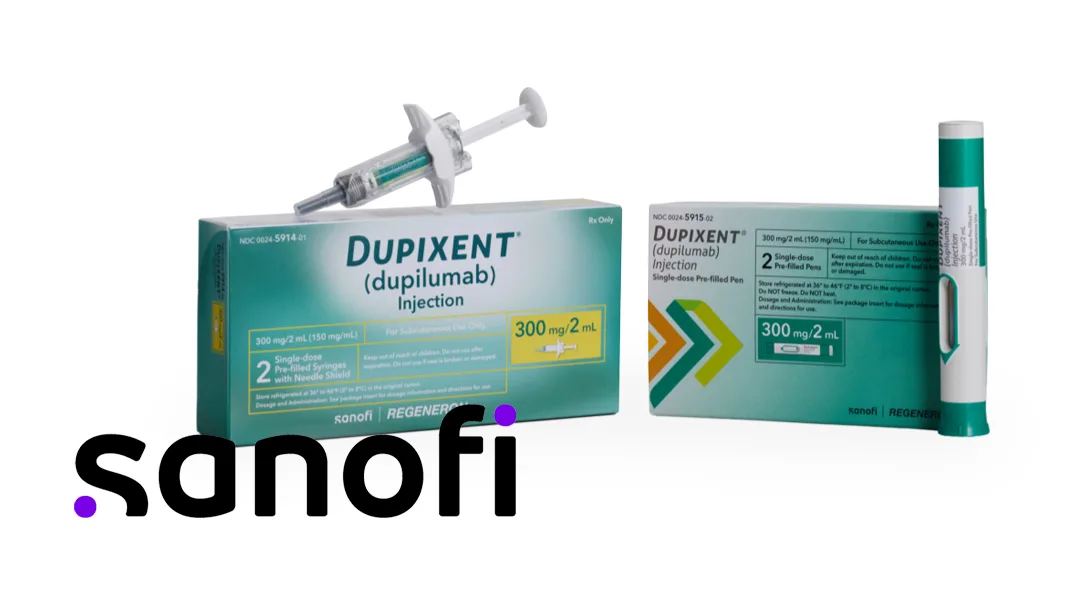
| Delivery Method | Oral tablet vs. injectable monoclonal antibodies (Repatha, Praluent) |
| Mechanism | Same proven PCSK9 inhibition as approved injectables |
| Convenience | Eliminates need for subcutaneous injections every 2-4 weeks |
| Compliance | Potential for improved patient adherence with oral dosing |
| Market Position | First-in-class oral PCSK9 inhibitor if approved |
The development represents a potential paradigm shift in PCSK9 inhibition, addressing the major limitation of current therapies – the requirement for regular injections.
Market Impact Assessment
| Stakeholder | Implication |
|---|---|
| High-Risk Cardiovascular Patients | Access to highly effective LDL-C lowering without injection burden |
| Healthcare Providers | Simplified treatment algorithms with oral PCSK9 option |
| Payers | Potential cost-effectiveness through improved adherence and reduced administration costs |
| Merck Commercial Strategy | Entry into USD 2+ billion PCSK9 inhibitor market with differentiated oral product |
| Competitive Landscape | Disrupts established injectable PCSK9 market dominated by Amgen and Sanofi/Regeneron |
Approximately 30-40% of high-risk cardiovascular patients fail to achieve LDL-C targets on statins alone, representing a substantial addressable market for effective add-on therapies.
Strategic Outlook
- Regulatory Pathway: Positive Phase III data supports NDA/BLA submission for accelerated approval
- Commercial Launch: Potential 2027 launch timeline if regulatory process proceeds smoothly
- Market Penetration: Oral delivery could capture significant share from both injectable PCSK9 inhibitors and less effective oral alternatives
- Pipeline Validation: Success validates Merck’s macrocyclic peptide platform for other therapeutic targets
- Global Opportunity: Worldwide commercial rights provide multi-billion dollar revenue potential
The CORALreef AddOn results position enlicitide as a potential blockbuster therapy that could redefine standard of care for high-risk hypercholesterolemia patients.
Forward‑Looking Statements
This brief contains forward-looking statements regarding Merck’s clinical development plans and enlicitide’s therapeutic potential. Actual regulatory approvals and commercial outcomes may differ based on further clinical data and competitive dynamics.-Fineline Info & Tech