


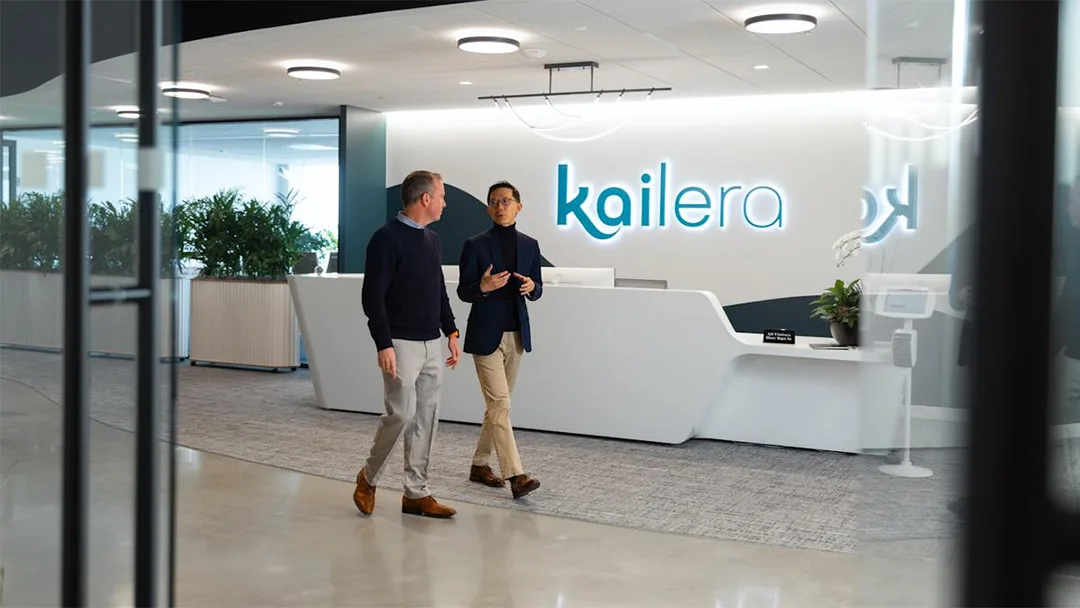
Kailera Therapeutics has announced plans for an initial public offering (IPO) to secure additional funding for its obesity drug portfolio, after depleting USD 347.3 million of its capital reserves during 2025. The biotech emerged in 2024 with ex-China rights to four GLP-1 drugs from Jiangsu Hengrui Pharmaceuticals (SHA: 600276, HKG: 1276) and raised USD 1 billion in private financing, but faces the substantial costs typical of obesity drug development.
Financial Position Summary
| Parameter | Amount | Timeline |
|---|---|---|
| Series A Financing | USD 400 million | 2024 |
| Series B Financing | USD 600 million | 2024 |
| Total Private Capital Raised | USD 1 billion | 2024 |
| Remaining Cash Reserves | USD 652.7 million | End of 2025 |
| Capital Burned | USD 347.3 million | 2025 |
| Burn Rate | ~USD 29 million/month | 2025 average |
Asset Portfolio Overview
- Core Assets: Four GLP-1 receptor agonist programs licensed from Jiangsu Hengrui Pharmaceuticals
- Geographic Rights: Ex-China global rights providing access to major pharmaceutical markets
- Therapeutic Focus: Obesity treatment – one of the highest-value therapeutic areas in pharmaceutical development
- Development Stage: Preclinical to early clinical (seeking to push into clinic)
- Competitive Landscape: Entering crowded but high-reward GLP-1 obesity market dominated by Novo Nordisk and Eli Lilly
Strategic Rationale for IPO
| Factor | Implication |
|---|---|
| High Development Costs | Obesity drug development requires extensive Phase III trials with thousands of patients over multiple years |
| Capital Intensity | Monthly burn rate of ~USD 29M suggests 22-24 months of runway without additional funding |
| Market Timing | Strong investor appetite for obesity therapeutics following commercial success of Wegovy and Zepbound |
| Valuation Opportunity | Public markets may assign premium valuation to GLP-1 obesity assets compared to private markets |
| Competitive Pressure | Need to accelerate development timeline to compete with established players and emerging biosimilars |
The decision to go public reflects the reality that even well-capitalized biotechs require substantial additional funding to advance obesity candidates through the clinic.
Market Context Analysis
| Aspect | Strategic Significance |
|---|---|
| GLP-1 Market Size | Global GLP-1 market projected to exceed USD 100 billion by 2030, with obesity representing largest segment |
| Development Costs | Phase III obesity trials can cost USD 500M-1B+ per program due to large patient numbers and long duration |
| Investor Sentiment | Strong public market appetite for obesity assets following blockbuster commercial performance |
| Competitive Window | Next 2-3 years critical for establishing position before market becomes saturated with competitors |
| Partnership Potential | IPO could enhance attractiveness for potential acquisition or partnership with major pharmaceutical companies |
Kailera’s strategy mirrors other well-funded obesity biotechs that have pursued public listings to access the capital required for late-stage development.
Strategic Outlook
- IPO Timing: Likely targeting Q2-Q3 2026 to capitalize on strong obesity market sentiment
- Use of Proceeds: Primary focus on advancing lead GLP-1 candidates into Phase II/III clinical trials
- Pipeline Prioritization: May focus resources on 1-2 lead candidates rather than advancing all four programs simultaneously
- Geographic Strategy: Ex-China rights provide access to US, EU, and other major markets without competition from Hengrui
- Exit Scenarios: Successful clinical data could position company for acquisition by major pharmaceutical player seeking obesity pipeline
Forward‑Looking Statements
This brief contains forward-looking statements regarding Kailera Therapeutics’ financing plans, development strategy, and market opportunities. Actual IPO terms, clinical development timelines, and financial outcomes may differ based on market conditions and regulatory developments.-Fineline Info & Tech