


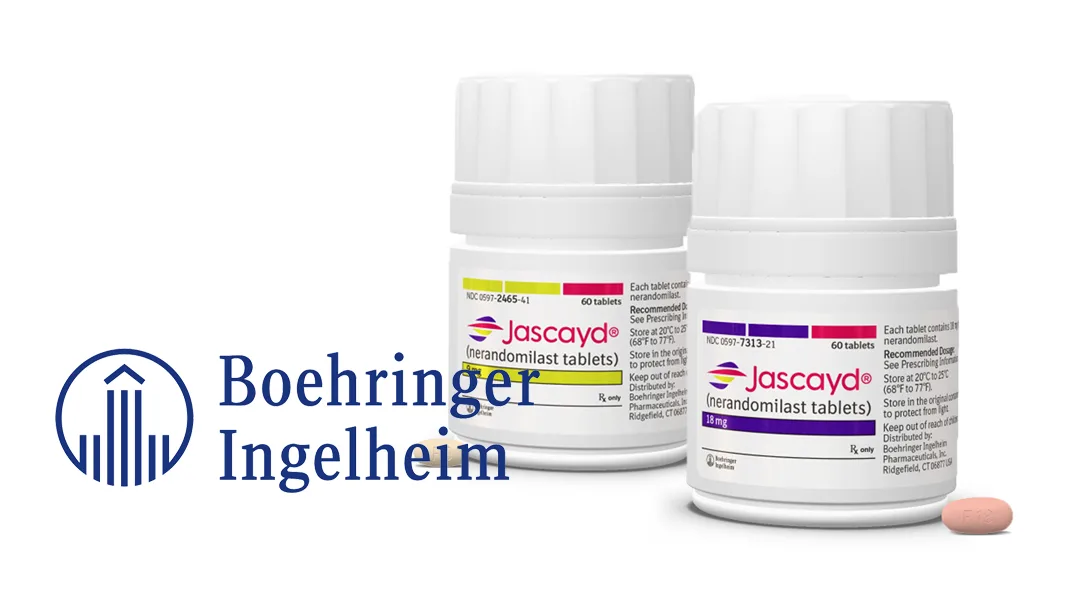
The European Medicines Agency’s Committee for Medicinal Products for Human Use (CHMP) has issued a positive opinion, endorsing the approval of Boehringer Ingelheim’s (BI) Ofev (nerandomilast) for the treatment of idiopathic pulmonary fibrosis (IPF) and progressive pulmonary fibrosis (PPF) in adults, potentially making it the first new IPF treatment option in over a decade.
Regulatory Milestone & Global Status
| Parameter | Detail |
|---|---|
| Company | Boehringer Ingelheim (Germany) |
| Drug Name | Ofev (nerandomilast) |
| Regulatory Body | EMA CHMP (European Medicines Agency) |
| Current Status | Positive opinion endorsed (final EC decision pending) |
| Indications | Idiopathic pulmonary fibrosis (IPF) and progressive pulmonary fibrosis (PPF) |
| Global Approvals | Already approved in US, China, UAE, and Japan |
| Therapeutic Class | First oral, biased PDE4B inhibitor for IPF/PPF |
Clinical Evidence from FIBRONEER Program
Trial Design & Scale
- Program Name: FIBRONEER – largest clinical trial project to date in IPF and PPF
- Phase III Trials: FIBRONEER-IPF and FIBRONEER-ILD
- Primary Endpoint: Absolute change from baseline in forced vital capacity (FVC) at week 52
- Comparator: Placebo-controlled design
Key Efficacy Results
- Primary Endpoint Met: Both Phase III trials achieved statistical significance
- Clinical Benefit: Nerandomilast significantly slowed the decline in lung function compared to placebo
- Patient Population: Demonstrated efficacy across both IPF and broader PPF populations
- Therapeutic Impact: Addresses critical unmet need in progressive fibrotic lung diseases
Mechanism of Action & Therapeutic Innovation
Molecular Profile
- Drug Class: Oral, biased PDE4B (phosphodiesterase 4B) inhibitor
- Selectivity: First and only biased PDE4B inhibitor approved for pulmonary fibrosis
- Administration: Convenient once-daily oral formulation
- Therapeutic Rationale: Targets inflammatory and fibrotic pathways driving disease progression
Clinical Significance
Nerandomilast represents a paradigm shift in pulmonary fibrosis treatment, offering:
- First new mechanism for IPF in over 10 years
- Expanded indication covering both IPF and broader PPF populations
- Oral administration improving patient convenience compared to complex inhalation therapies
- Disease modification rather than purely symptomatic management
Market Opportunity & Competitive Landscape
Pulmonary fibrosis affects approximately 80,000-100,000 patients across the EU, with IPF representing the most common and severe form. The current treatment landscape has been dominated by just two antifibrotic agents since 2014, creating substantial unmet need for additional therapeutic options.
The FIBRONEER program’s success positions nerandomilast as a potential new standard of care, with its dual indication covering both IPF and the broader PPF population. This expanded label could significantly increase the addressable patient population compared to existing therapies limited to IPF-only indications.
Boehringer Ingelheim’s established presence in respiratory therapeutics, combined with Ofev’s novel mechanism and robust clinical data, creates strong commercial potential across European markets pending final European Commission approval.
Strategic Implications
For Boehringer Ingelheim, this regulatory milestone reinforces its leadership position in respiratory and fibrotic disease therapeutics. The company’s long-term investment in pulmonary fibrosis research culminates in a potentially transformative therapy that addresses one of the most challenging areas in respiratory medicine.
The positive CHMP opinion also validates the biased PDE4B inhibition approach, potentially opening new avenues for targeting inflammatory and fibrotic pathways in other chronic lung diseases.
Forward-Looking Statements
This brief contains forward-looking statements regarding regulatory approvals, clinical development, and commercial expectations. Actual results may differ due to risks including final regulatory decisions, market competition, pricing negotiations, and evolving treatment guidelines.-Fineline Info & Tech