


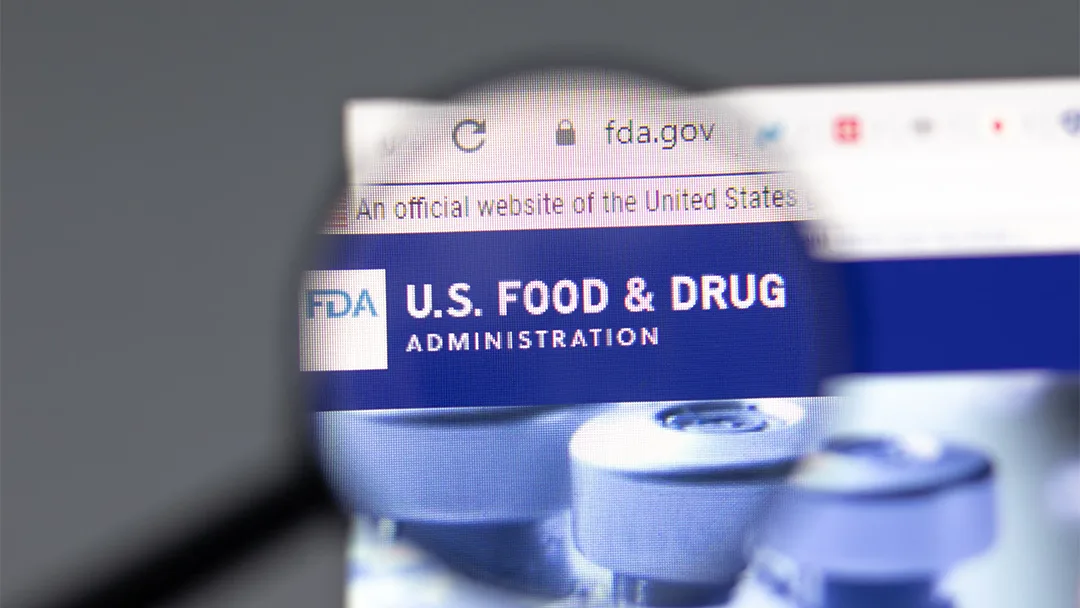
The U.S. Food and Drug Administration (FDA) released a draft guidance titled “Scientific Considerations in Demonstrating Biosimilarity to a Reference Product: Updated Recommendations for Assessing the Need for Comparative Efficacy Studies.” The document proposes sweeping changes aimed at simplifying biosimilarity studies, reducing reliance on costly comparative‑clinical trials, and paving a faster path to interchangeable‑status approvals for biosimilars.
Why the Change Matters
| Issue | Current Landscape | Proposed Shift |
|---|---|---|
| Development timeline | 1‑3 years on average | Streamlined analytical‑first approach can shave months‑to‑years off the pathway |
| Cost | ~ $24 million per biosimilar (largely driven by human efficacy studies) | Expected reduction of up to 50 % in total development spend by limiting clinical trials |
| Scientific rationale | Comparative efficacy studies have low sensitivity relative to modern analytical methods | Greater reliance on state‑of‑the‑art analytical characterization, in‑vitro functional assays, and PK/PD modeling |
| Interchangeability | Separate, often duplicated, data packages required | New parallel initiative to align interchangeability criteria with the streamlined biosimilarity framework, making it easier for pharmacists and patients to select lower‑cost options |
Key Elements of the Draft Guidance
- Analytical‑Centric Paradigm – Developers may demonstrate biosimilarity primarily through high‑resolution physicochemical and functional assays, reserving human trials only when analytical data cannot resolve residual uncertainty.
- Risk‑Based Decision Tree – A step‑by‑step flowchart guides sponsors on when comparative efficacy studies are truly necessary, based on the totality‑of‑evidence approach.
- Interchangeable Pathway Alignment – A companion initiative proposes a unified submission format for interchangeable designations, reducing duplicate data requirements.
- Public‑Comment Window – The FDA invites industry, academia, and patient‑advocacy groups to submit comments until 30 Dec 2025; final guidance expected in Q2 2026.
Market Impact
- Biosimilar Sponsors – Large‑molecule innovators (e.g., Amgen, Sandoz, Biocon) could see faster time‑to‑market and lower capital outlays, improving pipeline economics.
- Payers & Patients – Earlier availability of lower‑priced biologics may accelerate cost‑containment initiatives, especially for high‑spend areas such as oncology, rheumatology, and endocrinology.
- Investors – Analysts project a 10‑15 % uplift in the market‑cap of top biosimilar developers as the barrier to entry falls and product launch velocity rises.
Forward‑Looking Statements
This brief contains forward‑looking statements that involve risks and uncertainties, including regulatory outcomes, development timelines, and commercial performance. Actual results may differ materially from those expressed herein.-Fineline Info & Tech